
Elvis goes West
Saddle up and ride, you lonesome cowboy
Although Elvis may not be widely associated with the Western genre, four of the 31 movies he starred in between the 1950s and late 1960s were Westerns or Western-inspired. They were a hit-and-miss kinda thing, just like all of his movies (I will go back to this once I finish watching them all), but regardless of their aesthetic value, these films give us an additional piece to the puzzle of Elvis's complexity and talent. He could easily play a Texas homesteader, an outlaw straight outta Spaghetti Western or a Navajo rider despite not being Native American (the magic of the '60s!).
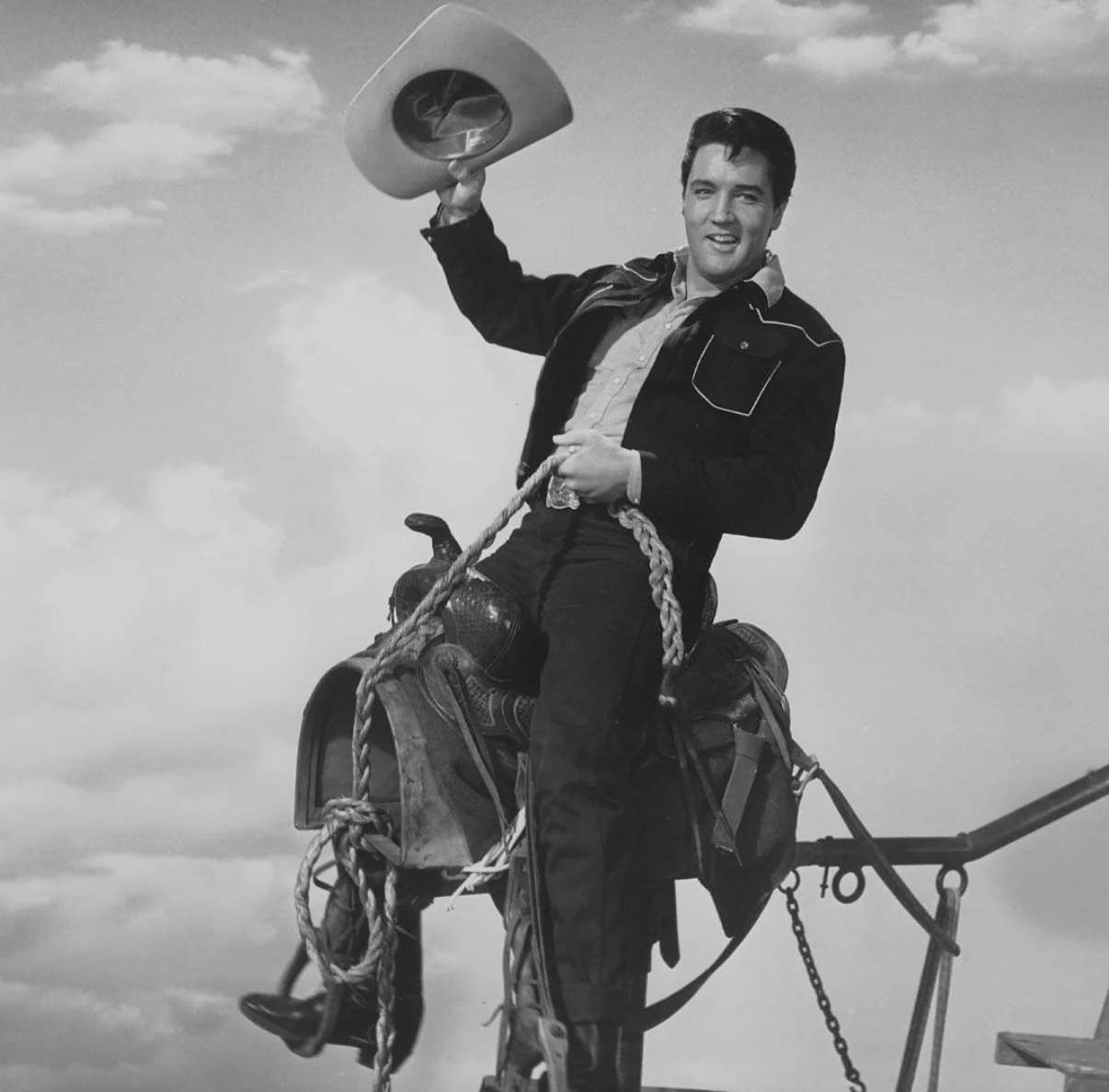
Silver screen aside, he's been a true country boy since the day he was born and since it would have been his 90th birthday today, here's all you need to know about Elvis, the cowboy.
Love Me Tender (1956)
Elvis debuts on the screen in this Western drama directed by Robert D. Webb at the age of 21. The movie is set during the aftermath of the Civil War (1860s), and he plays Clint Reno, the youngest of four brothers. It has a wicked plot, which I'm not discussing to save you from spoilers, but there's one detail that makes this movie feel disjointed.
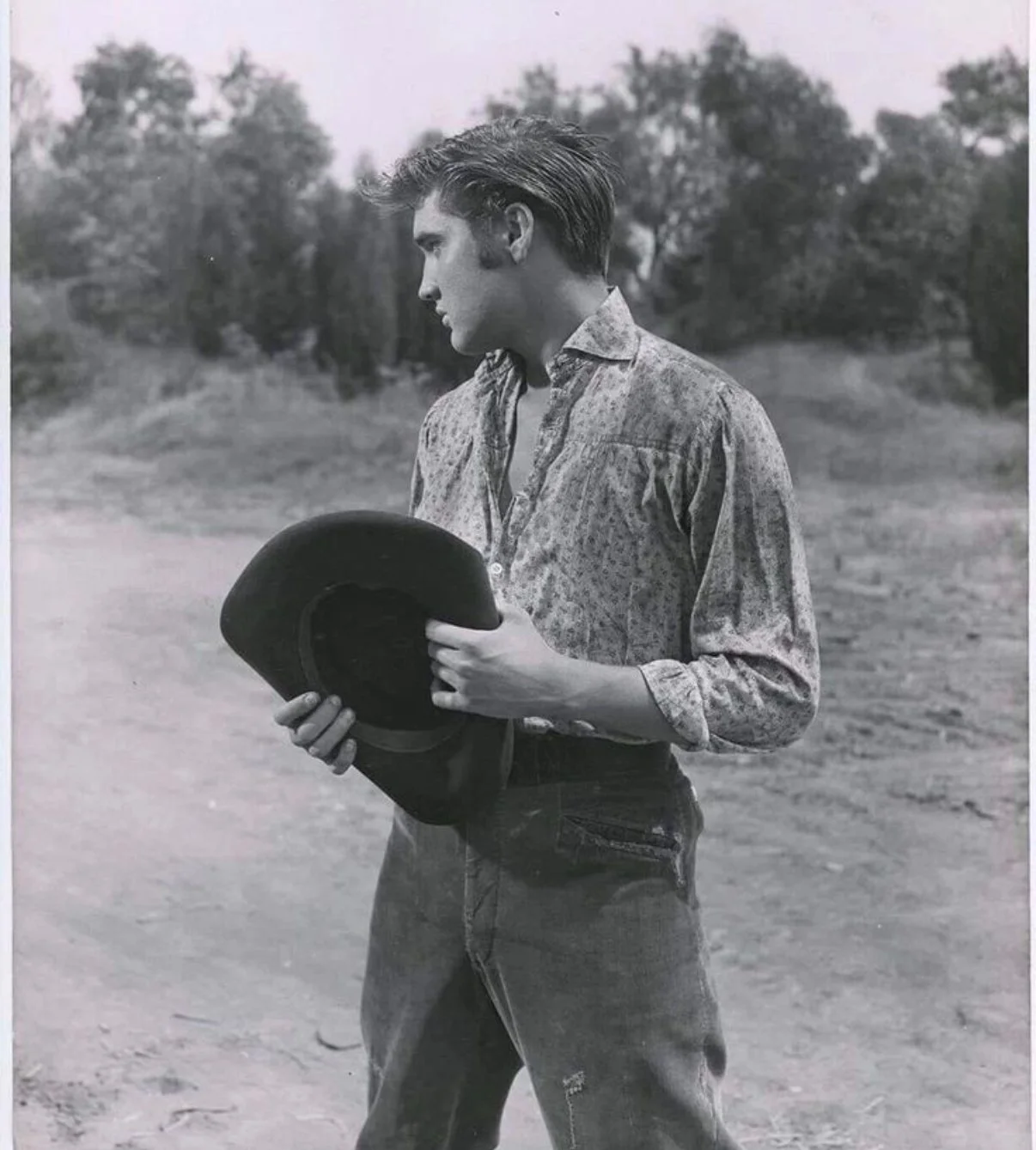
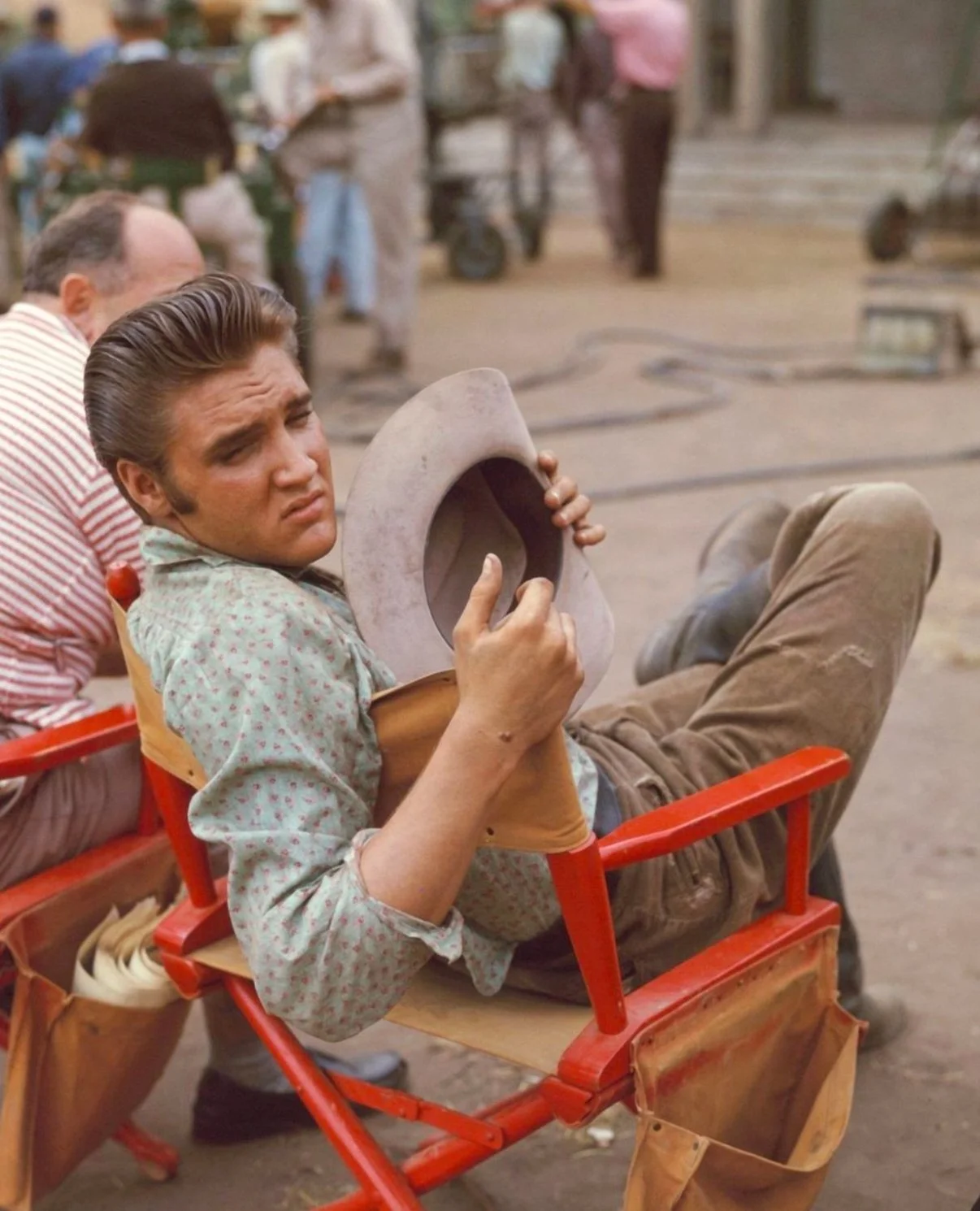
As he was already an extremely popular singer, he obviously sings in the movie. And don't get me wrong, it's honey for the ears & eyes, but since the plot revolves around the events of the 1860s, it's just weird to see him jumping and shaking while the girls in front of the stage lose their shit in a typical 50s style (can't blame them, though).
Flaming Star (1960)
Four years and five movies later, Elvis stars in another Western set in the late 1800s. But this time, he's a half-white, half-Native American young man. However, despite that it might sound off, this was a more serious movie directed by Don Siegel (the same one who would go on to direct Dirty Harry in 1971).
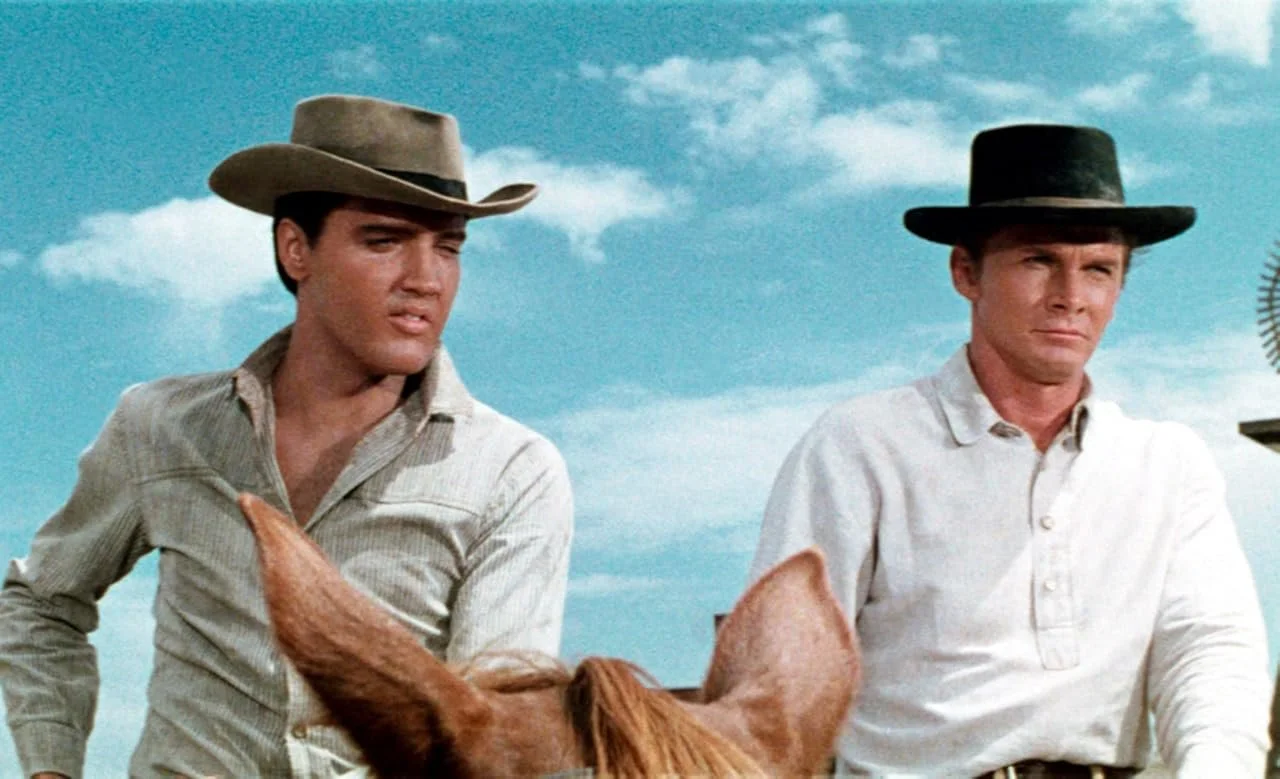
Pacer Burton, as that's how his character is called, is caught between two cultures: his white heritage and his Native American background. He's Native from his mother's side and deals with internal and external conflict. But here we go again; I just can't make up my mind about that silly blonde girl in tight jeans (in the 1870s!!!!) and Elvis's signature hairstyle...
Stay Away, Joe (1968)
''Now and then, the West produces a man who stands apart from the crowd. Noble as the valleys, rugged as the rocks, a man of action who makes an unforgettable impact - Joe Lightcloud is such a man.'' But don't get too excited; although the movie starts with this promising intro and a pan over the desert, the second you see Elvis singing a lovesong to the bull (why??????) and those yapping 60s girls dancing in the background of almost every scene, you won't be able to treat this movie seriously.
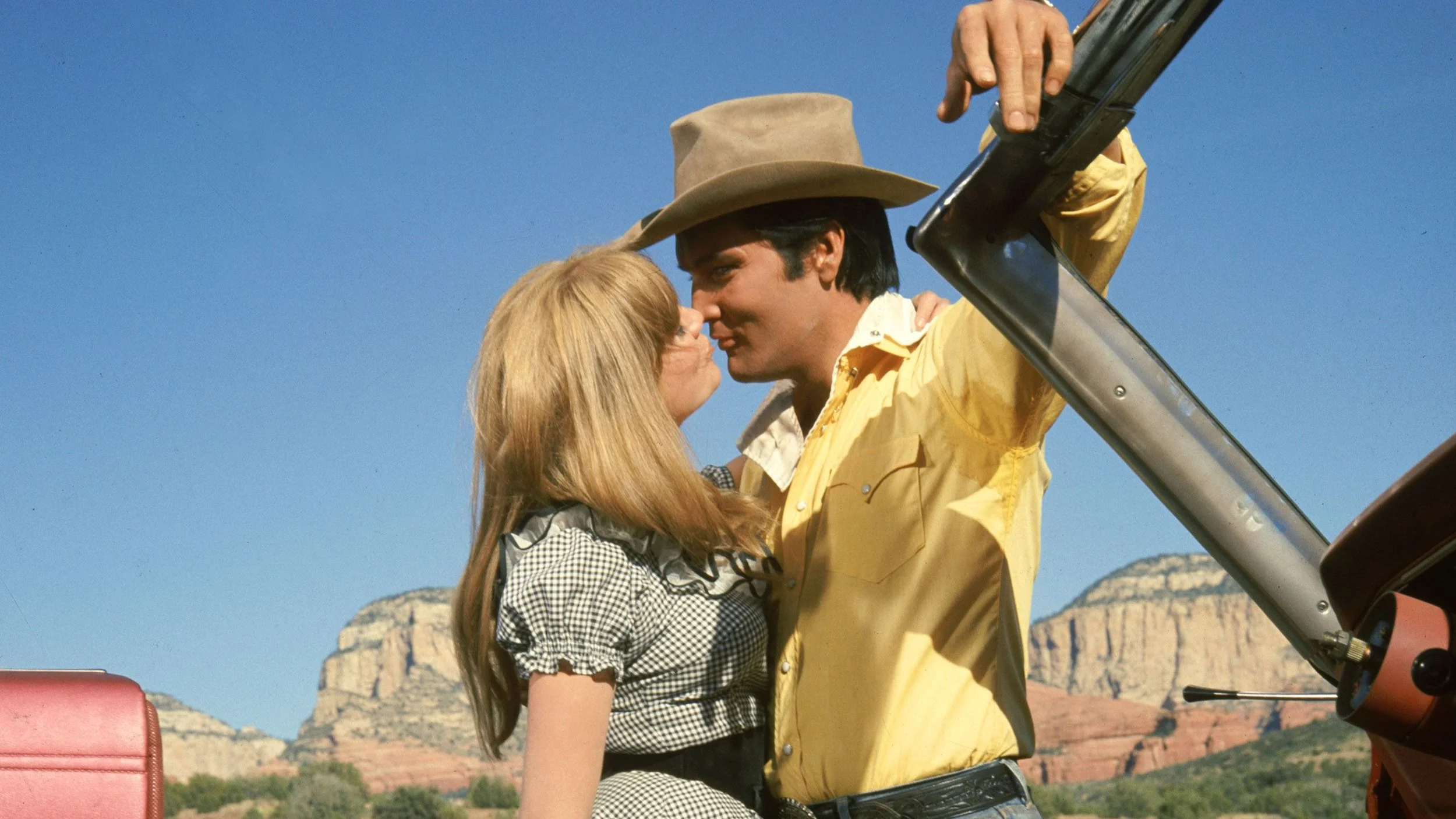
It's one of those movies in Elvis's career where everything went wrong. It's a comedy that touches on a serious matter but ends up being a slapstick. I find it hard to believe that it was funny for folks even back in the '60s, Elvis himself seems like he's just given up on movies at this point. Everyone's getting drunk, fighting with each other and trying to score in between cringy jokes of white people mocking Mexican accent. Best to stay away from this movie if you ask me!
Charro! (1969)
1969 marks the year Elvis ended his movie career and he's going down in class making Charro! one of his best movies. We have an impressive soundtrack, beautiful cinematography of Apache Junction and Gold Canyon, some wild action and a rough and tough Elvis with enough charisma to carry a movie. And for once, he's not singing!
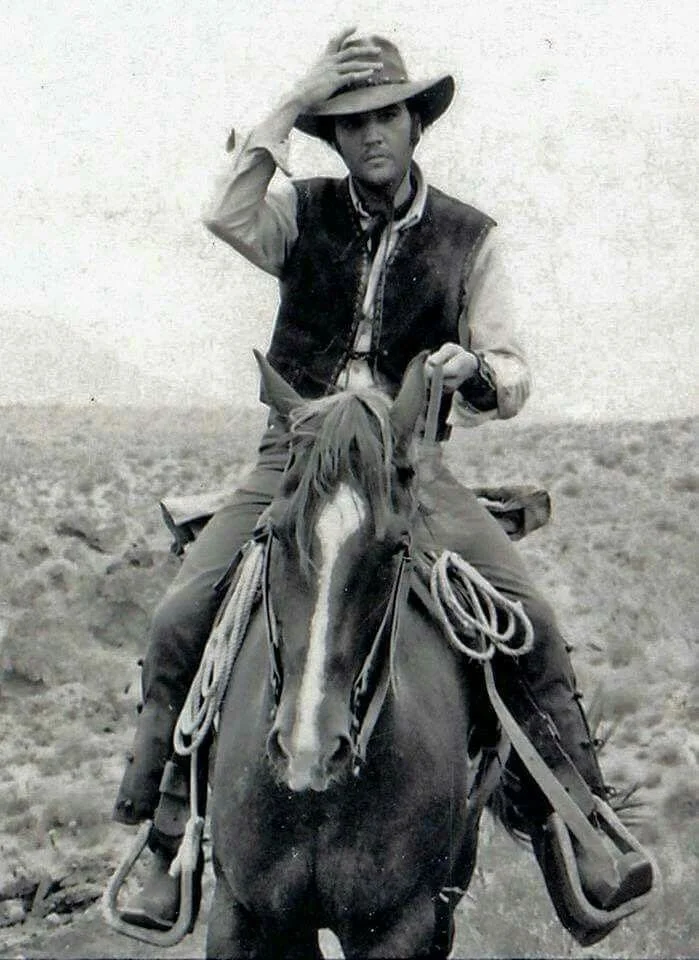
The plot follows Jesse Wade, a former outlaw trying to leave his criminal past behind and build a new life in the deserts of Arizona. But as his old gang frames him for stealing a priceless Mexican cannon, leaving him a wanted man, he must prove his innocence while protecting the people of a small desert town. Sounds very much like Eastwood, doesn't it? In the style of spaghetti westerns, this movie stands out among the rest of Elvis's pictures and is my personal second favourite (King Creole if you want to know).
Outside of the silver screen
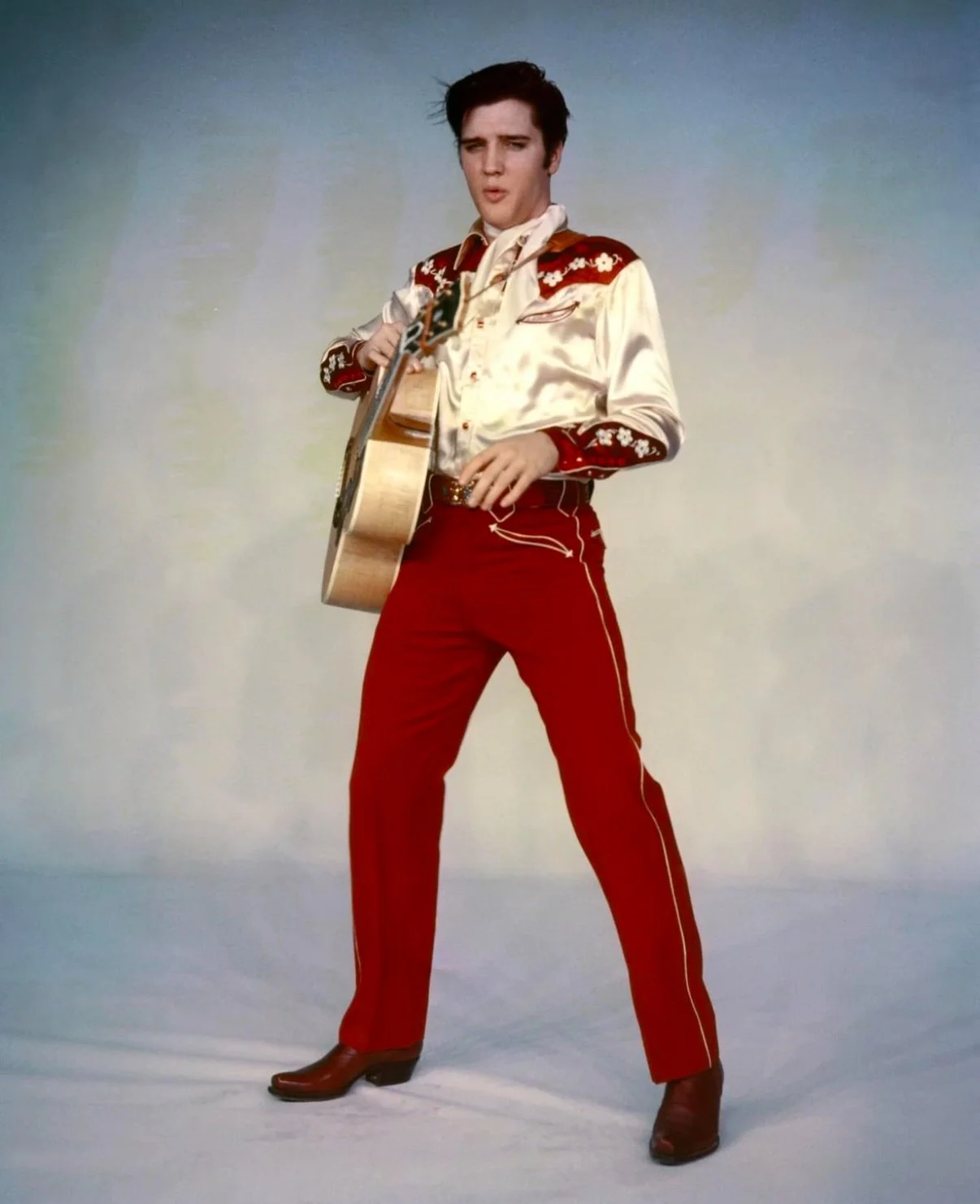
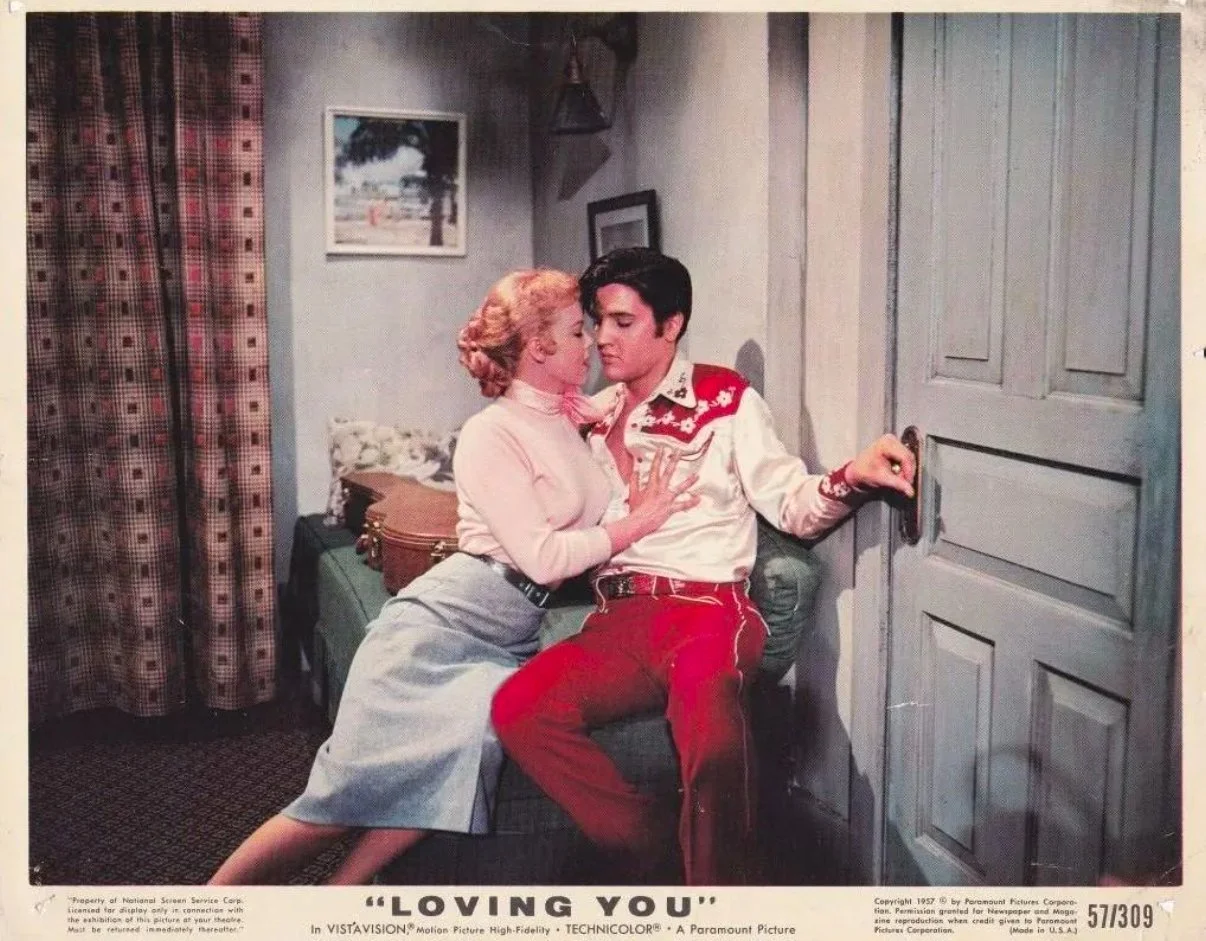
If the above left you hungry for more of Elvis rocking a cowboy hat, you have two options - watch the rest of the movies, in which you'd be able to find some Western references like a Southern location or costumes (Elvis in this red Nudie Cohn suit above is to die for, the movie is called 'Loving You'), or get acquainted with his country record.
Listening to the music that my idols made
I knew every single record the DJ's played
A honky tonk a Hound Dog, a Johnny B. Goode
Chain Gang, Love Is Strange, Knock On Wood
Growing up in the South during the 1940s, with the sounds of the Grand Ole Opry, had a profound influence on Elvis’s life, and country music became a genre he deeply loved. The beginnings of his musical career are plenty of his early nods to country and bluegrass, with songs like Blue Moon of Kentucky or I Forgot to Remember to Forget.
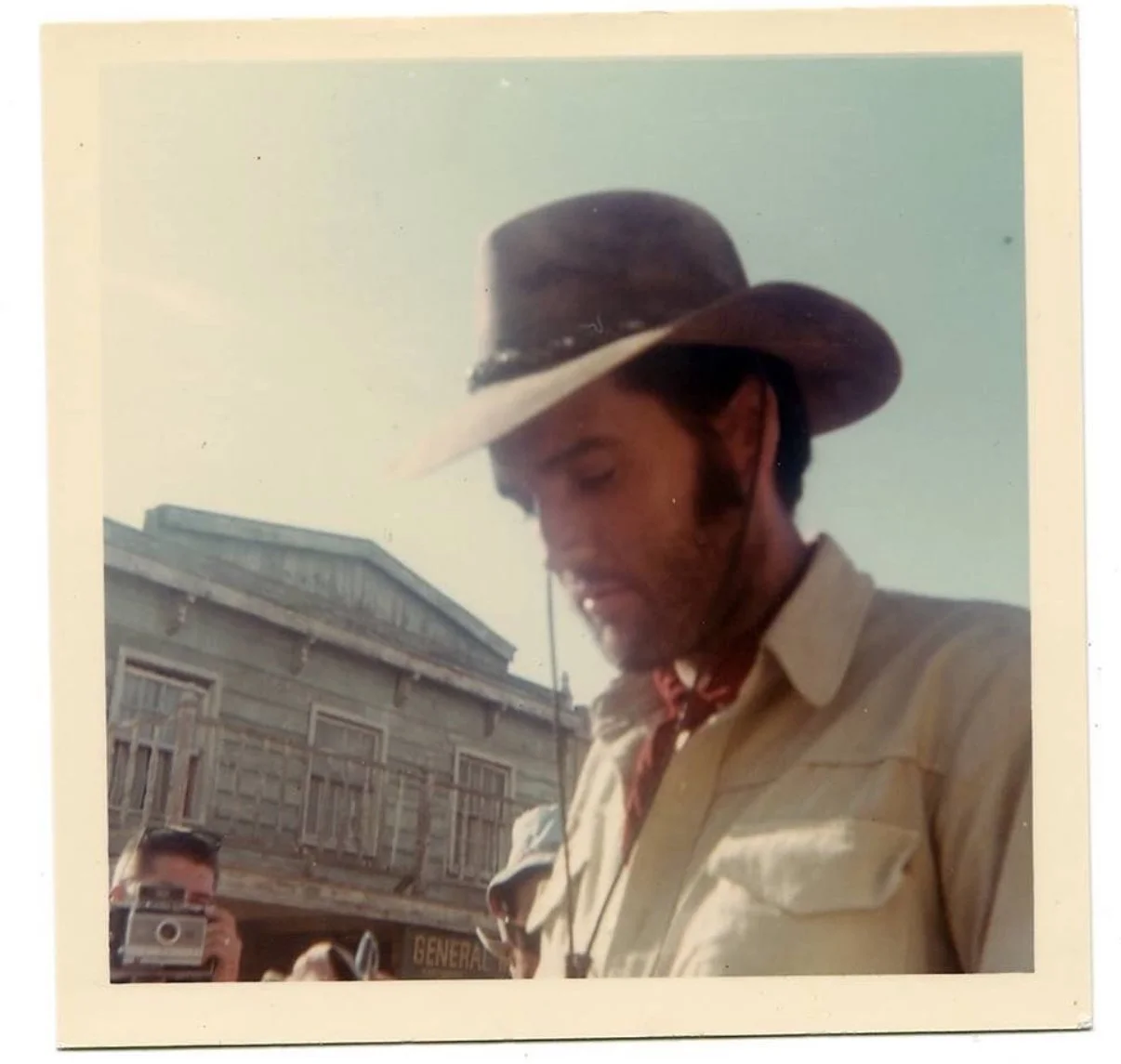
He fully immersed in his roots in 1970 when he released a country record, Elvis Country (I'm 10,000 Years Old), which featured his own compositions and a few covers, including Willie Nelson's Funny How Time Slips Away. Later in his career, he often performed country covers live, like in 1976 when he took another of Willie's songs, Blue Eyes Crying in The Rain (my brown eyes are crying every time I hear that one, too). Other beautifully rearranged covers worth attention to are You've Lost That Loving Feeling, The Green, Green Grass of Home, Help Me Make It Through The Night or I Washed My Hands In Muddy Water. Click here to listen to my Elvis country playlist.
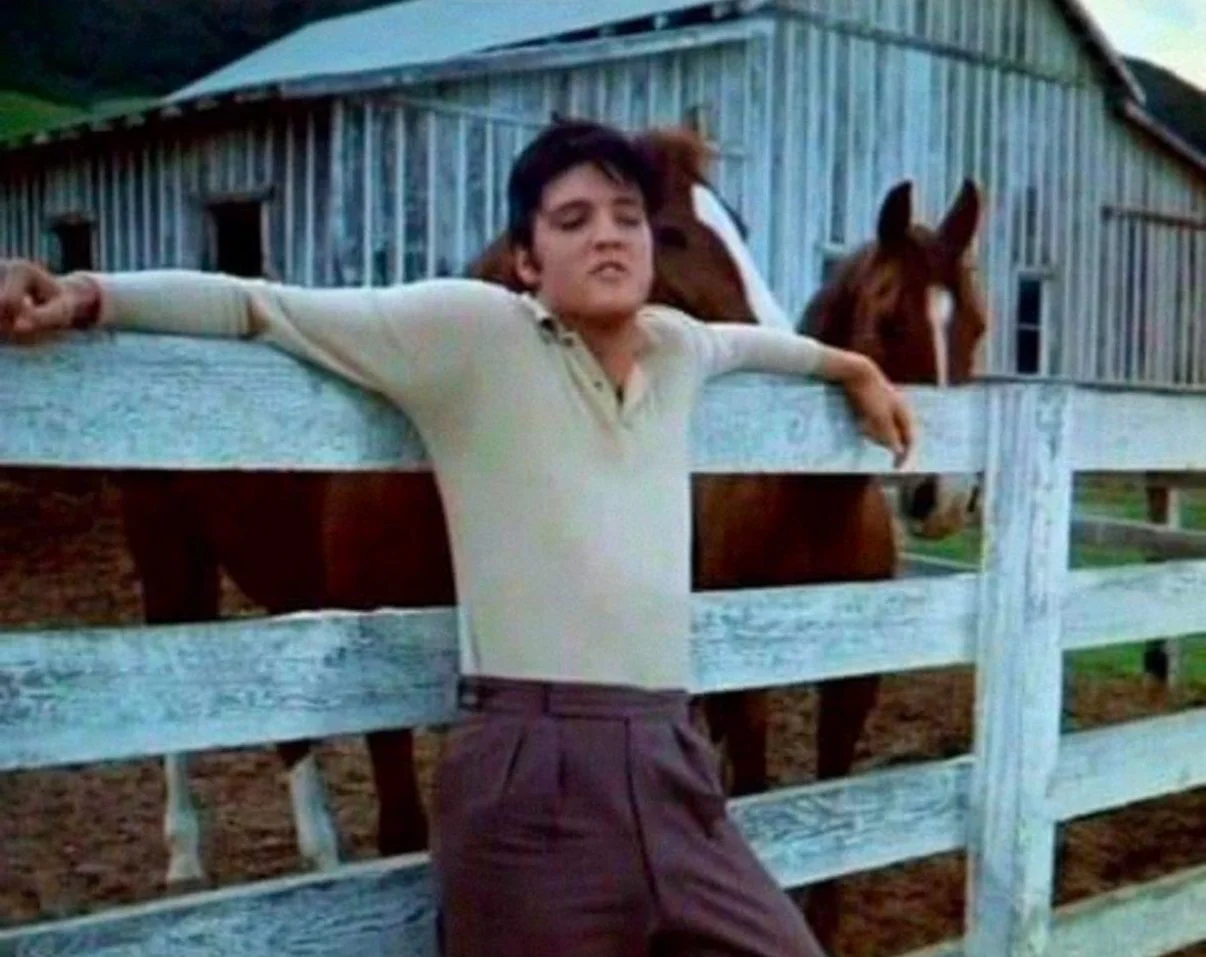
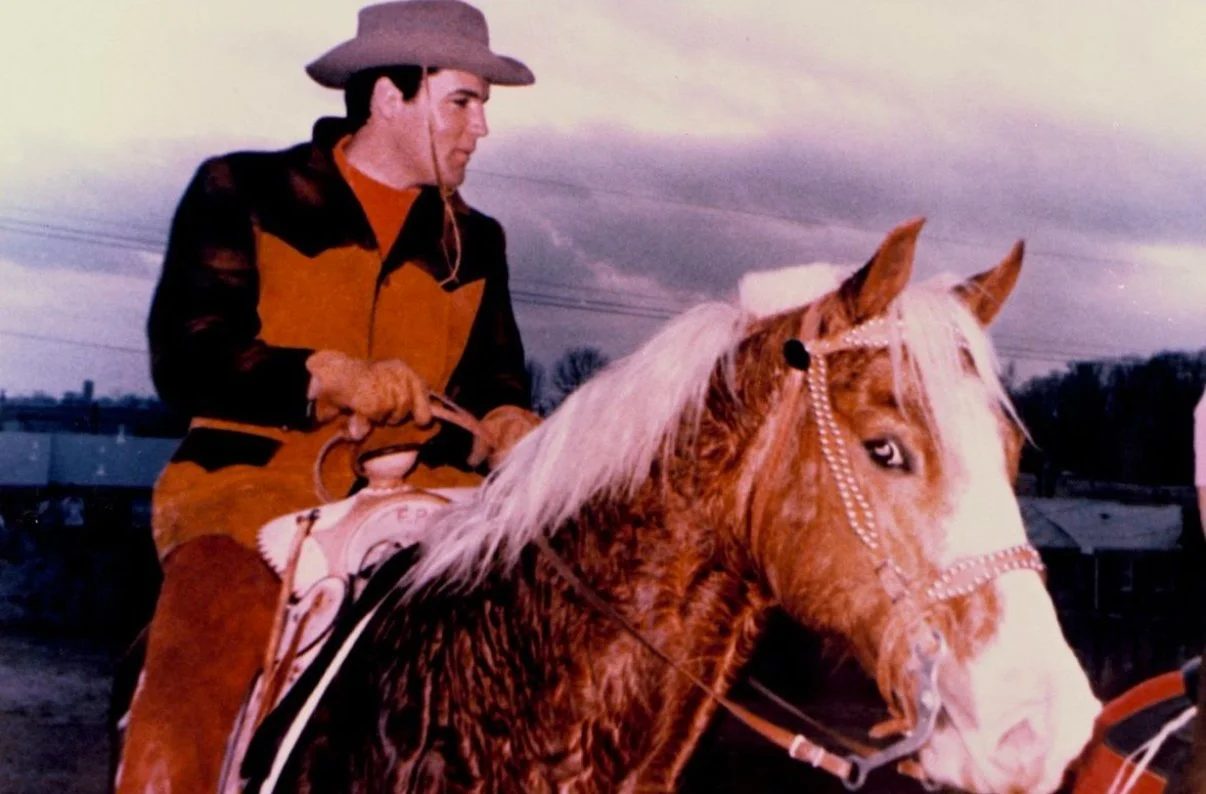
Hope he’s riding his beloved Palomino somewhere in the sky!