
Beauty routine in the Wild West
All the 1800s it girl beauty secrets!
I said it a few times already - Wild West was called wild for a reason. When it comes to beauty routines from the 1800s, things are not disappointing either - toxic ingredients like arsenic, lead, ammonia or belladonna, alongside the limited access to mirrors (I could never!), made the whole process really difficult.
If you think you can't handle liquid eyeliner, you wouldn't want to jump on this back-in-time wagon!
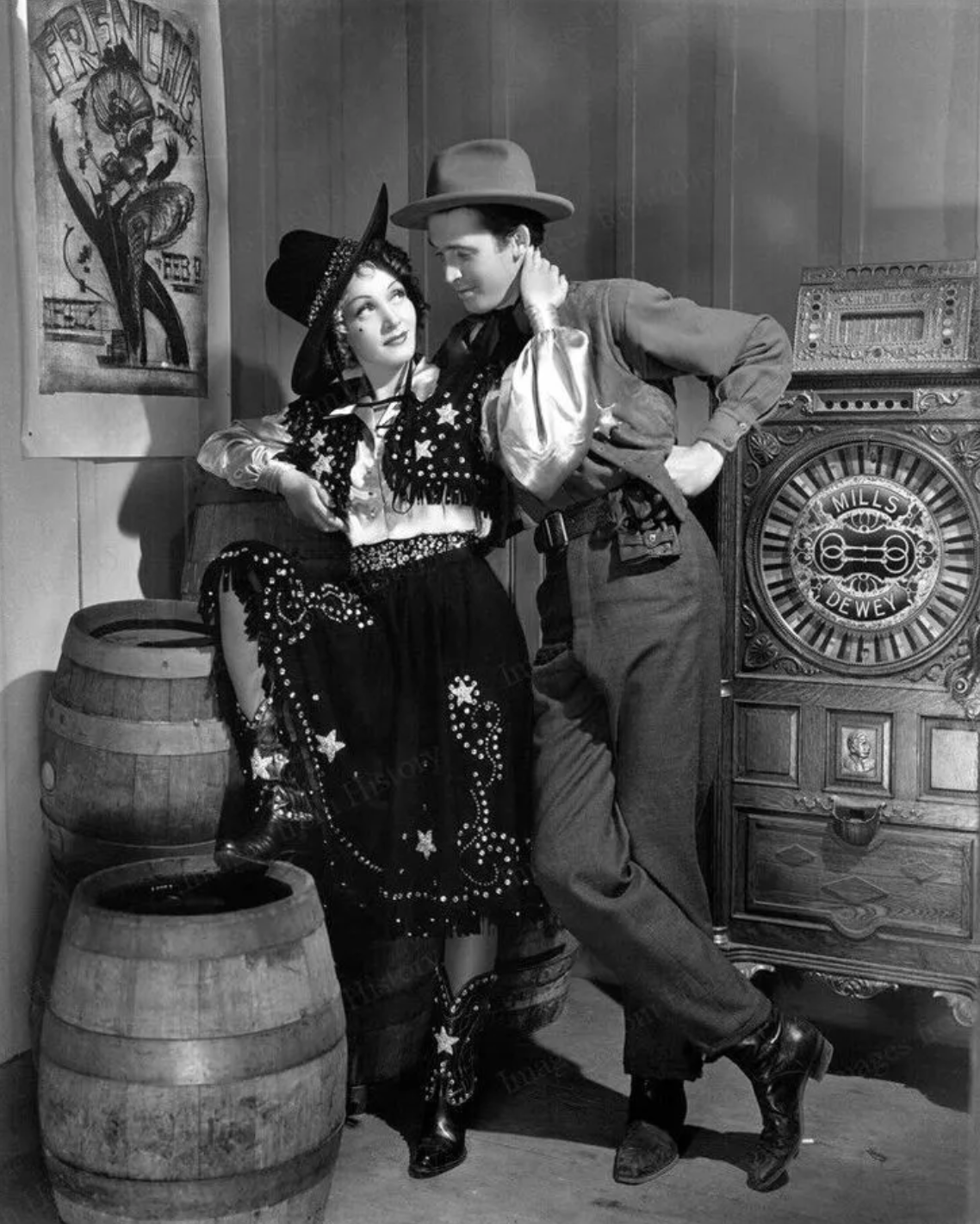
Marlene Dietrich in Destry Rides Again (1939) and an unrealistic depiction of a late 19th century look
It's the Victorian era and although word of mouth and papers spread from East to West making some trends or discoveries in the old continent picking up on the frontier, a typical 1800s woman had much more limited resources when it came to everything, skincare included. Not only it was often impossible to get a hand on some item or ingredient, but the lifestyle and environmental hardship only added to the struggle.
However, if you were lucky enough to be a young, rich and white woman in 1800s America, your beauty routine could have consisted of the following:
Skincare
The ideal skin was fresh, bright and free from any spots, freckles or wrinkles, so whatever worked on whitening stains from objects or clothes, was as well introduced as skincare. While some mixtures are popular even today (who didn't try an oatmeal scrub mask as a teenager once?!), other methods are thankfully passe.
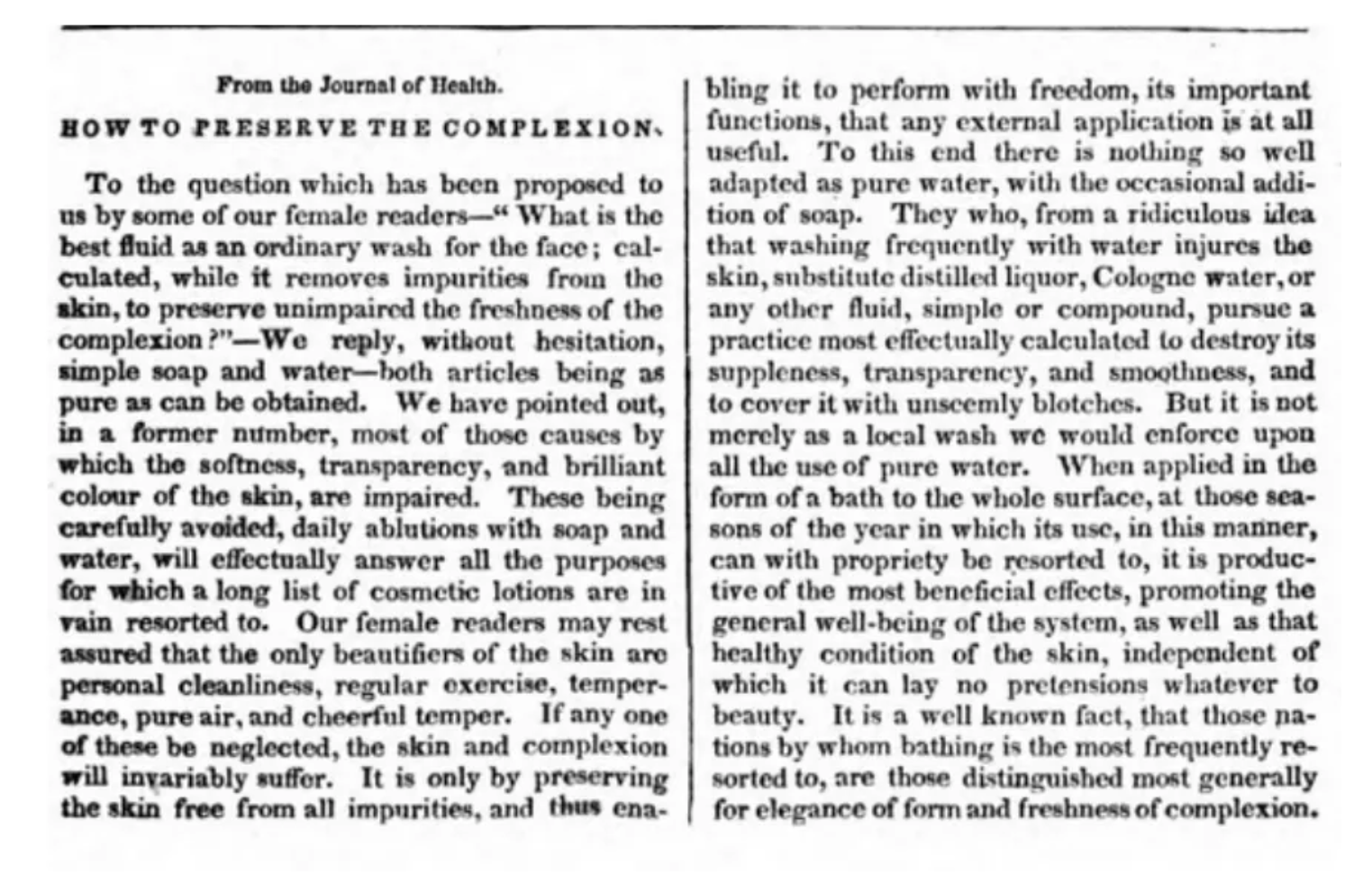
Following the Harper's Bazaar beauty column from the late 1800s: "Oatmeal is one of the best articles for cleansing the skin. Make it into a paste with water, and rub it thoroughly over the face; then wash off with clear water."
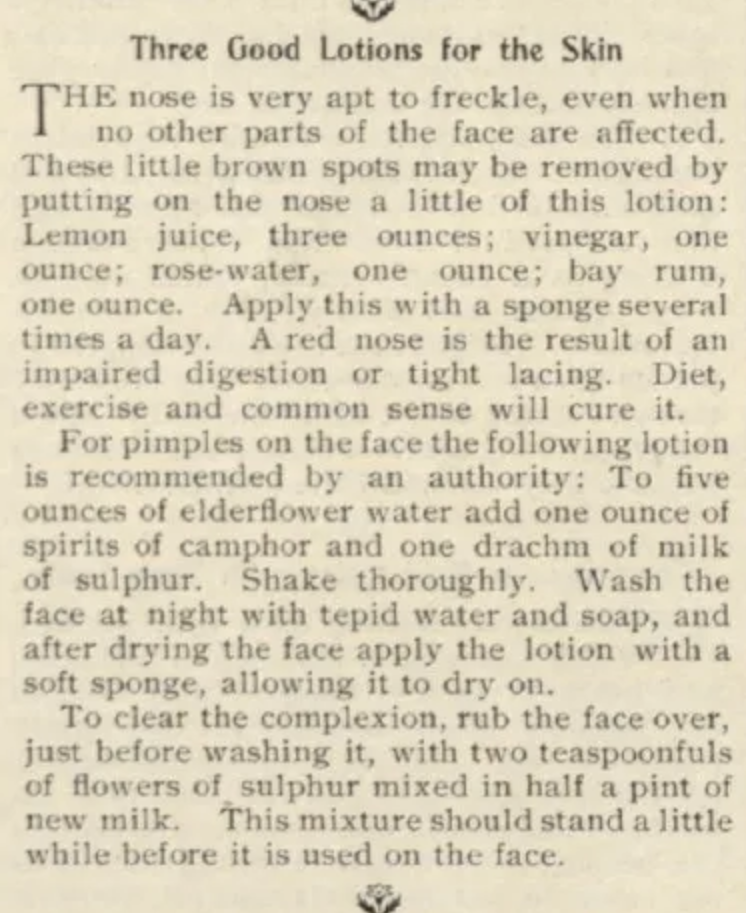
The same source also suggested using 'juice of cucumbers, mixed with new milk'' (we could call it a toner), ''lemon juice, diluted with water for removing freckles and tan'' (vitamin C serum, but please don't make it at home) and finally, to keep the skin ''soft and pliable'', one should frequently use cold cream or glycerine - that's your moisturiser needs covered. There were no SPF creams available, but the modern (back then) woman shouldn't be careless, and Harper's Bazaar had it covered: "The sun is a great enemy to beauty... Avoid exposure to the sun as much as possible, and when obliged to be in it, wear a thick veil and a broad-brimmed hat."
Dental care
Blessed be William Colgate and his commercial Colgate toothpaste that revolutionised our teeth, but that only happened in 1874. Prior to this spectacular achievement, or if you couldn't afford the fancy "Colgate Aromatic Toothpaste" (which was sticky and still not very effective, although at least it was not a powder anymore), folks had their methods to keep their teeth representative.
From the Godey's Lady's Book - the Victorian era's version of Vogue, a magazine published in Philadelphia between 1830 and 1878: ''Take an ounce of myrrh in fine powder; two spoonfuls of the best white honey, and a little green sage in very fine powder. Mix them well together, and wet the teeth and gums with a little every night and morning.''
Alternatively, if you run out of myrrh (happens to the best of us!), just mix up some pulverised charcoal (''said to be excellent to cleanse the teeth and make them white'') and, to deal with your ''offensive breath'', rinse your mouth with lime water and Peruvian bark, as suggested by ''The American Frugal Housewife" by Lydia Maria Child (1832).
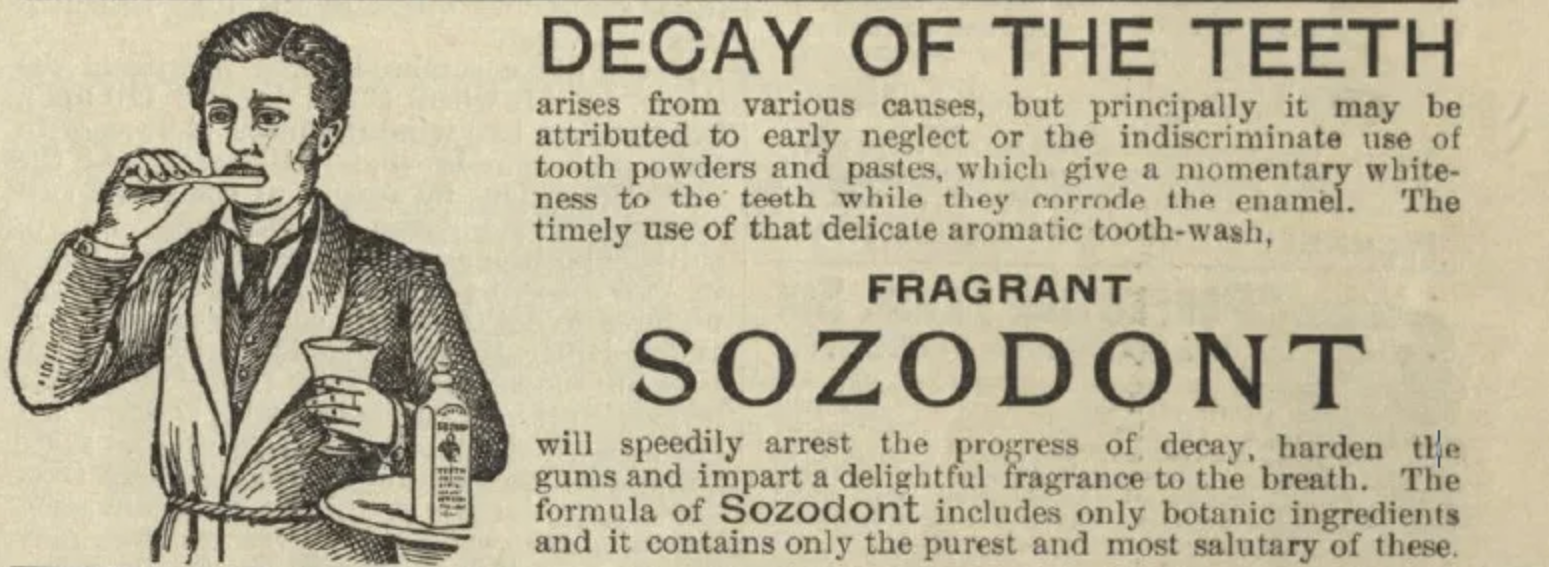
The Ladies Home Journal, November 1891
Haircare
Hair beauty standards were quite simple - hair should be clean, long and ''of a good thickness, about the size of the wrist when grasped in the hand'' and you could achieve this by washing twice a week with soap water or an egg beaten up in a pint of warm water (source). But even back then, women dealt with dandruff or hair thinning, which they would tackle with vinegar water solution and rosemary water.
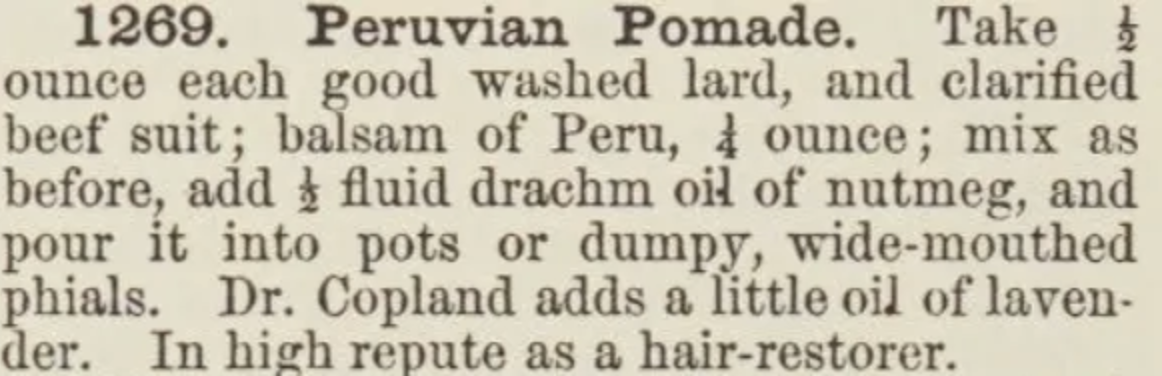
And if you weren't happy with what Mother Nature gave you, you could dye your hair, although the results were questionable. You had a choice of natural ingredients like green walnut skins or sage tea, as well as chemical substances like lead, ammonia or silver nitrate, which caused more harm than they improved anything. Yet, they tried.
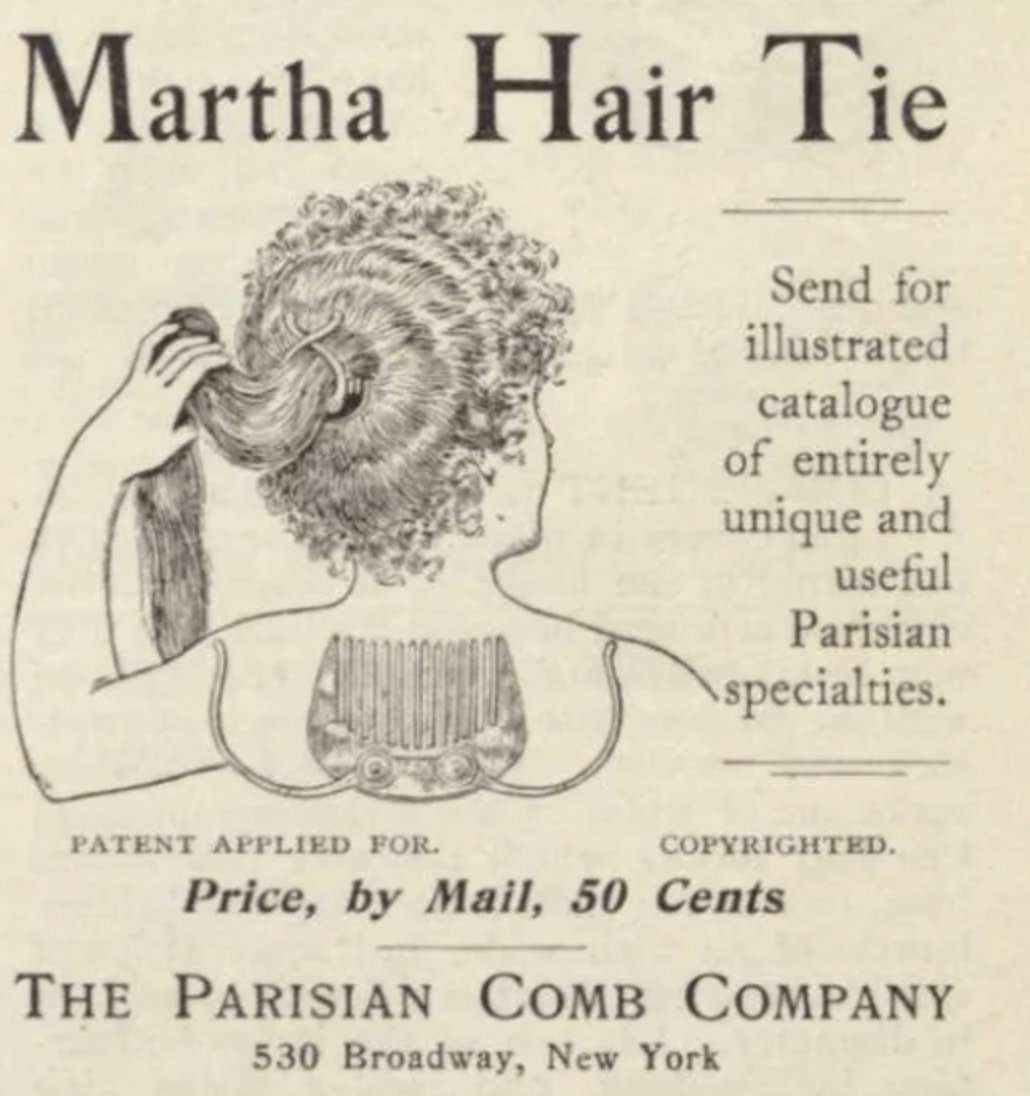
The Ladies Home Journal, July 1899
Styling
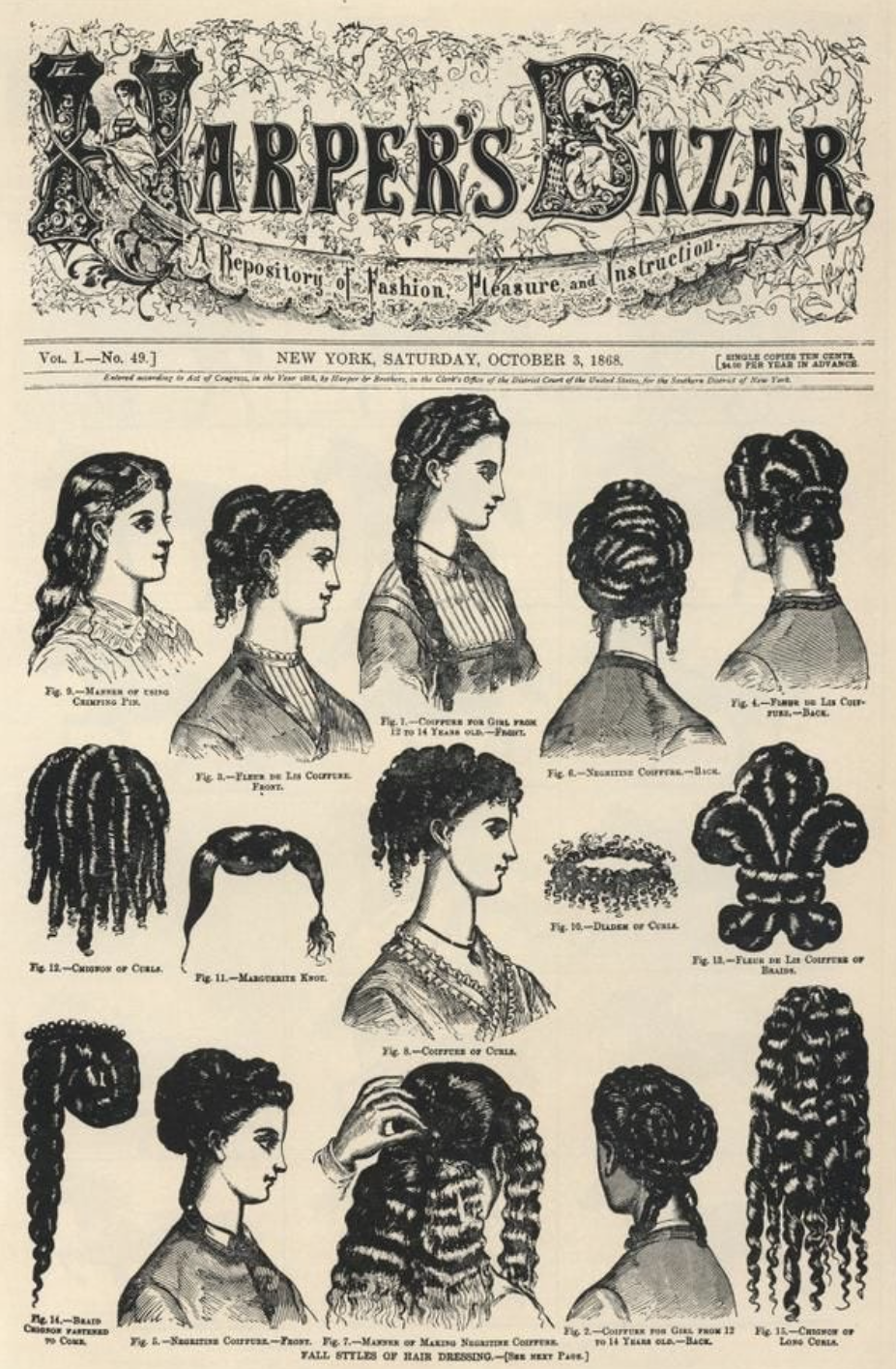
Throughout the 1800s, hairstyles were a visible indicator of social status, but apart from the fancy Gibson Girl's high, voluminous bun, women usually wore braids and buns, with the difference that a few of them could afford to have them done (sort of a local influencer), and the rest would try and mimic this style at home.
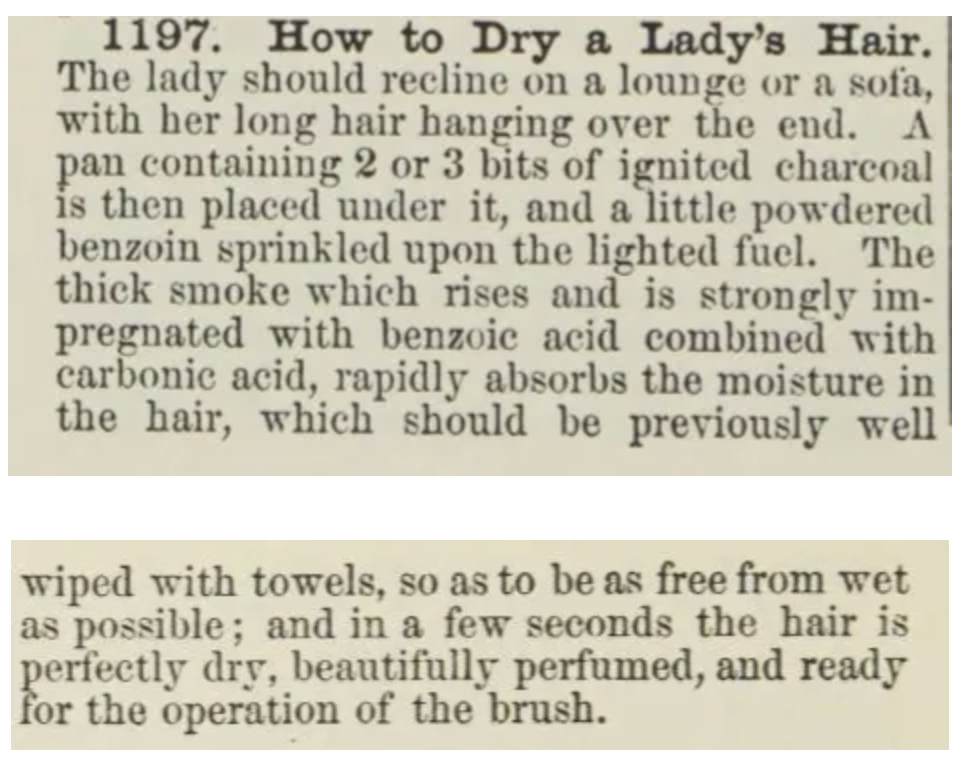
A method to dry your hair fast: lie on a couch with your hair hanging over the end above the ignited pan of hot charcoal and benzoin powder (vanilla-smelling resin), and if your hair won't catch fire, it should be both dry and perfumed.
Need to get those curls looking divine for the Sunday service? DIY hair gel is your secret! "Take: gum Tragacanth, 1 drachm; rose water, 1 pint; soak for 24 hours and strain. This will keep the hair in curl for a long time." (source)
Makeup
Makeup was a tricky thing. Considered a ''mark of a weak mind' and associated with actresses and prostitutes, frontier ladies had to be really sneaky about it.
The one acceptable Victorian makeup product was face powder, which could have been made of safe ingredients, like rice, starches, or zinc oxide (but only after 1877) and wouldn't turn grey when exposed to gas, candle or coal fumes. Some powders, like those made of lead, not only made the skin drier, but their prolonged use led to lead poisoning and serious health issues. The price to pay to look flawless!
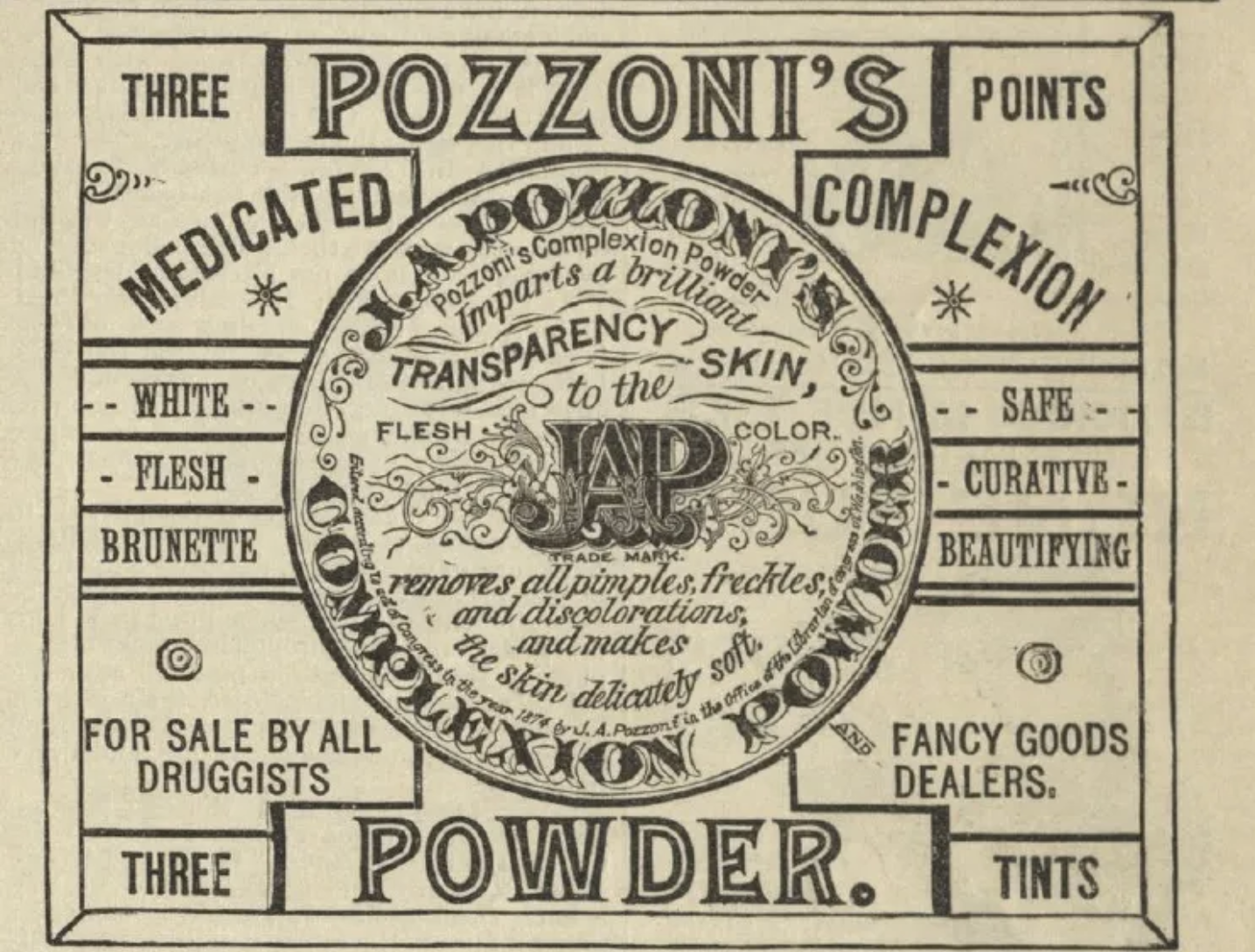
The Ladies Home Journal, November 1891
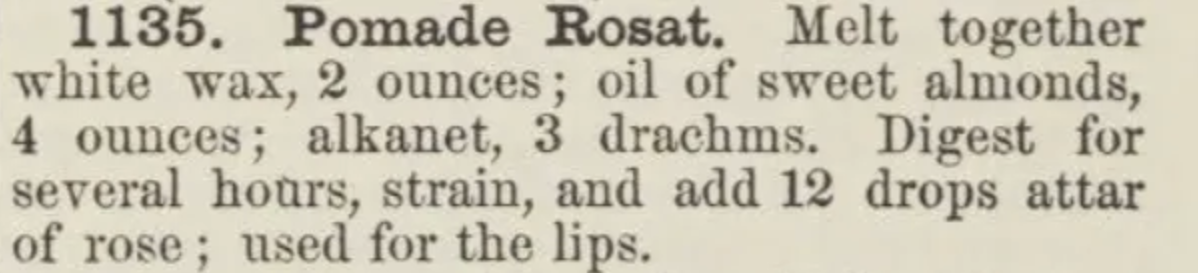
Eyeshadows would be made of burnt bread or burnt and powdered almonds with milk, or lamp black, made by burning a candle and putting a dish close to the flame. For blush, you'd smudge some beetroot on your cheeks, and to give that extra colour to your lips, you'd just bite them. Or make a homemade lip pomade from this recipe from 1872:
Learning about the beauty secrets of an 1800s woman made me appreciate even more the ease, choice and information available to me in seconds. This article is a little reminder of how lucky we are to learn about what was a daily routine for our great-grandmothers not so long ago.
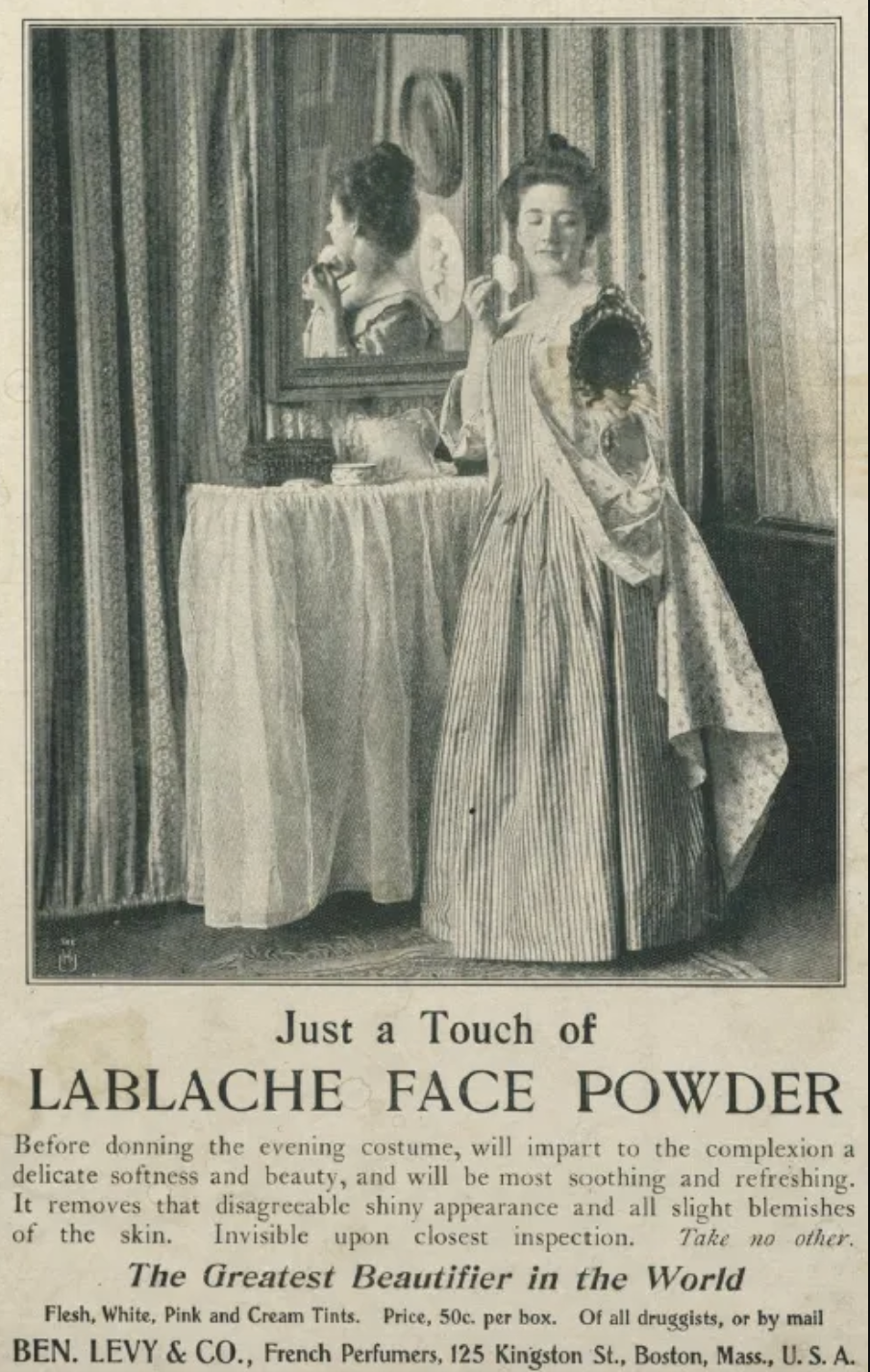
The Ladies Home Journal, June 1898